
LIVE UPDATES: Everything You Need To Know About Imperial Valley’s Proposed $10 Billion AI Data Center
The proposed Imperial Valley Data Center, developed by Imperial Valley Computer Manufacturing, LLC (IVCM), would consist of an approximately 950,000-square-foot facility powered by up to 330 megawatts of electricity on roughly 74 to 75 acres of industrial-zoned land near Aten Road and Clark Road in unincorporated Imperial County.
Project developer Sebastian Rucci has described the proposal as an investment worth roughly $10 billion that could transform the Imperial Valley into a major technology and artificial intelligence hub.
But as the project moves through litigation and regulatory review, it has also become the center of a growing political and community battle.
As of August 2026, the project is stalled. In June 2026 the Imperial County Board of Supervisors reversed course and imposed a moratorium on new data centers, then extended it in July through approximately June 2027, freezing all project approvals while a county advisory committee rewrites zoning rules. The developer has since sued the Imperial Irrigation District seeking access to Colorado River water, no power or water agreement has been finalized, no technology tenant has been publicly confirmed, and construction has not begun.
Table of Contents ⌄
Imperial Valley Data Center Visual Statistics
The proposed Imperial Valley Data Center is one of the largest industrial and artificial intelligence infrastructure projects ever proposed in Imperial County. These statistics summarize the scale of the project using publicly discussed estimates, project materials and reporting.
Imperial Valley Data Center: Questions and Answers
Below is a breakdown of the major questions surrounding the proposed Imperial Valley Data Center, including the project’s size, developer, Google-related documents, environmental review, water use, power demand, noise concerns and current legal status.
The Imperial Valley Data Center is a proposed 950,000-square-foot artificial intelligence and high-performance computing facility planned near Imperial, California, with a projected power demand of up to 330 megawatts.
The project is planned for industrial-zoned land near Aten Road and Clark Road in unincorporated Imperial County, near the City of Imperial. If built, it would become one of the largest technology infrastructure projects proposed in the Imperial Valley and will be the largest data center in California. Source
Supporters describe the project as a major private investment that could bring construction jobs, tax revenue and new attention to Imperial County as a possible technology hub. Critics argue the project is too large to move forward without a full environmental review because of concerns involving water, electricity, noise, air quality and nearby communities.
The project is being developed by Sebastian Rucci through Imperial Valley Computer Manufacturing, also known as IVCM.
IVCM is the company tied to the proposed development. The business model appears to involve building the data center infrastructure and leasing the facility or computing capacity to major technology companies.
Rucci and IVCM have promoted the project as a major economic development opportunity for Imperial County. Opponents have questioned the scale of the project, the approval process and the lack of a full environmental impact report.
Google’s involvement remains disputed. Internal project documents reportedly state that IVCM is developing several data centers in Imperial County “on behalf of Google,” but Google has publicly denied involvement.
According to project-related documents, the exact quote appears in "Energy Supply 1 Third Party Proposals (1).pdf” on page 7.
Other project materials and proposals also reportedly reference Google as a possible anchor tenant or energy offtaker.
However, Google has stated it is not involved in a data center project in Imperial County. No public lease agreement or final tenant agreement has been released, making this one of the key unanswered questions surrounding the project.
According to SFGATE Rucci told the county the project was for Google, but a Google spokesperson said the company is not involved in the Imperial County project. Rucci later said the project is backed by “one of the four hyperscalers.” Which include Microsoft, Amazon, Google, and Meta. Source
Imperial County approved parts of the project as ministerial, meaning officials determined the project qualified for approval under existing industrial zoning without a full California Environmental Quality Act review.
Under a ministerial approval process, a project can move forward if it meets objective rules already written into county code. The county’s position is that the land is already zoned for industrial use and that the approvals did not require discretionary environmental judgment. Official Notice of Exemption
The City of Imperial is challenging that decision in court. The city argues the project is too large and complex to avoid a full environmental review, especially because of possible impacts involving power, water, air quality, noise and surrounding neighborhoods. City of Imperial CEQA Lawsuit Petition
The proposed facility could use up to 330 megawatts of power, making electricity demand one of the biggest concerns surrounding the project.
The Imperial Irrigation District has studied the project’s potential power impact. Those studies reportedly found the project technically feasible under certain modeled conditions, but IID also stated that it currently does not have the capability to reliably support a large-scale load requiring continuous 24-hour service with existing resources. Source
The project may rely on non-firm transmission service, meaning power could potentially be reduced during periods of high grid demand. Supporters say this helps protect existing customers, while critics remain concerned about possible strain during extreme summer heat. Source
The project plans to use reclaimed wastewater rather than potable drinking water, with estimates of about 750,000 gallons per day.
The developer has described the water system as a way to cool the facility without relying on drinking water supplies. The system would reportedly use treated wastewater from nearby cities, but final agreements and approvals have not been completed. Source
Critics argue that even reclaimed-water use should be reviewed carefully because of the region’s extreme heat, long-term water concerns and infrastructure limits. Supporters say using reclaimed water reduces the project’s impact on residential water supplies.
Data centers can create constant noise from cooling fans, ventilation systems, electrical equipment and backup generators operating around the clock.
Residents near other large data centers in different states have complained about low-frequency humming, sleep disruption and vibration-like noise. Opponents of the Imperial Valley project worry similar issues could affect nearby homes and neighborhoods.
The developer says the project would include noise mitigation and would comply with applicable standards. However, opponents argue a full environmental review would provide a more complete public analysis of potential noise impacts. Imperial Valley Data Center Project Website
During a March 2026 public meeting, developer Sebastian Rucci said the project had been modified to reduce noise impacts and increase setbacks from nearby homes, including changes to the backup generator layout. Imperial Valley Data Center Noise Technical ReportThe project could create thousands of temporary construction jobs, but the number of permanent jobs after completion is expected to be much smaller.
Supporters have pointed to estimates of thousands of construction-related jobs while the facility is being built. These jobs could benefit construction workers, contractors and related businesses during the development period.
Once operational, large data centers typically require fewer workers because many systems are automated. Long-term job estimates for the project are commonly described as approximately 50 to 100 permanent positions. Source
As of August 2026, the project is stalled under a county moratorium. The Imperial County Board of Supervisors approved a lot merger in April 2026, but has since frozen all data center approvals.
On June 16, 2026, the Board imposed a temporary 45-day moratorium on data center projects and created a Data Center Advisory Committee to study zoning and land-use rules. On July 14, 2026, the Board voted 5-0 to extend that moratorium by 10 months and 15 days, through roughly June 2027. County officials confirmed that no data center project, past or present, can move forward during the moratorium. CalMatters Calexico Chronicle
The project also still lacks a finalized power agreement and a finalized water source. In June 2026, the developer sued the Imperial Irrigation District seeking access to Colorado River water after earlier reclaimed-water talks with the cities of Imperial and El Centro collapsed. KPBS
On July 29, 2026, Judge L. Brooks Anderholt heard arguments in the City of Imperial and Sierra Club's CEQA challenge and took the case under submission, with a ruling expected within about 90 days. The developer separately challenged the county moratorium in court in late July 2026. Both outcomes could shape whether the project proceeds under the current approval path or is forced into a full environmental review.
The Imperial County Board of Supervisors first imposed a 45-day moratorium on data center projects on June 16, 2026, then extended it on July 14, 2026, pushing the freeze through approximately June 2027.
A moratorium is a temporary pause. During this period, the county will not approve, permit, or advance data center projects while a newly formed Data Center Advisory Committee studies zoning, land-use standards, and proximity rules. The committee is expected to deliver recommendations to the Board. Calexico Chronicle
County counsel and Supervisor Martha Cardenas-Singh confirmed that no data center project, including the proposed Imperial Valley Data Center, can move forward while the moratorium is in effect.
After earlier plans to use reclaimed wastewater from local cities fell through, the developer sued the Imperial Irrigation District in June 2026 seeking access to Colorado River water.
The lawsuit seeks about 880 acre-feet of water per year, roughly 260 million gallons, which the developer's petition compares to the annual needs of about 7,300 Imperial County residents. The developer has proposed fallowing 160 acres of leased farmland and redirecting an existing agricultural water right to serve the facility. KPBS
This marked a shift from earlier project statements that said the facility would not use Colorado River water. Critics, including water-policy analysts, note that redirecting reclaimed water that would otherwise flow toward the Salton Sea could leave less water in the sea over time.
In July 2026, courts rejected defamation lawsuits filed by the developer against news outlets and community members, citing California's anti-SLAPP law.
Anti-SLAPP laws are designed to protect speech on matters of public interest from lawsuits meant to silence critics. San Diego Superior Court Judge Cynthia Freeland struck the developer's claims against KPBS and reporter Kori Suzuki. The lawsuit against Comité Cívico del Valle and its executive director Luis Olmedo was dismissed on July 16, 2026, and a related suit against local resident Jake Tison was likewise rejected. KPBS Calexico Chronicle
Rucci has said he plans to continue pursuing legal action.
Yes. In Northern Virginia, home to the world’s largest concentration of data centers, residential power bills have risen noticeably.
One Arlington resident reported her monthly bill increasing from roughly $200 to around $260, a roughly 30% jump. Across areas with heavy data center activity on the PJM grid, wholesale electricity costs have climbed as much as 267% over the past five years. Bloomberg
A state study by the Joint Legislative Audit and Review Commission projects that a typical Dominion Energy residential customer could see generation- and transmission-related costs rise by an estimated $14 to $37 per month by 2040 due to data center-driven demand. JLARC Report
According to the Imperial Irrigation District No, residential power rates should not increase due to this project.
IID has proposed a new Large Load Tariff specifically designed to protect existing customers. Under this tariff, large users of 20 MW or more must fully fund all required infrastructure upgrades, transmission lines, power supply, and system improvements themselves, with no costs shifted to regular ratepayers. IID Official News Release
This approach aims to ensure that big projects like the 330 MW data center do not subsidize or raise bills for the more than 166,000 existing IID customer meters. The tariff is currently in a 30-day public review period, announced May 12, 2026. The Desert Review
It is unlikely to affect household water pressure if the project uses only reclaimed wastewater as planned, but the outcome depends on the final water source and agreements, which are not yet finalized.
The facility is designed to use 750,000 gallons per day of reclaimed water for cooling. Reclaimed water comes from treated wastewater and does not draw from the potable municipal supplies that directly impact home water pressure. inewsource
Cities like Imperial and El Centro have previously discussed providing reclaimed water but have since backed away from those talks. Any shift to IID industrial water or other sources could raise broader concerns about overall water availability in the region. Inside Climate News
In other parts of the country, data centers connected to local potable or groundwater systems have caused noticeable drops in water pressure for nearby residents, especially during construction or peak use. Example from Georgia
Research on this topic is mixed, but the most comprehensive studies to date have not found that data centers systematically lower nearby home values.
A 2025 study by George Mason University’s Center for Regional Analysis examined thousands of home sales in Northern Virginia. The researchers found that homes closer to data centers actually sold for higher prices than those located farther away. After controlling for other factors, they concluded there was no statistical evidence that proximity to data centers negatively impacts residential property values. George Mason University Study
However, many residents near proposed or existing facilities express concern that constant noise from cooling systems and generators, the large industrial appearance of the buildings, increased construction traffic, and other quality-of-life impacts could make properties less desirable to buyers. House Beautiful
In the Imperial Valley, some residents living near the proposed site near Aten and Clark Road have already voiced worries that the project could lower the value of agricultural or residential properties due to these same concerns. IPM Report
According to the project developer and local economic development supporters, the proposed $10 billion AI data center is projected to deliver a substantial economic boost to Imperial County through job creation, tax revenue, and private investment.
The developer estimates the project would generate approximately 1,600 to 1,700 construction jobs over an 18- to 24-month buildout and roughly 100 permanent high-skilled operational positions once the facility is running. Imperial Valley Press
It is also expected to produce a one-time sales tax revenue boost of approximately $72.5 million during construction and recurring annual property tax revenue of about $28.75 million, according to developer statements and related filings. Developer’s Lawsuit Filing
However, some residents and critics note that the number of permanent jobs is relatively modest for a facility of this scale, with most economic activity occurring during the temporary construction phase. IID Data Center Facts inewsource / KPBS
What Other Communities Have Experienced with Large Data Centers
Other towns and regions hosting large data centers have seen a mixed bag of outcomes. While some areas report economic gains in tax revenue, the day-to-day impacts on residents have often been challenging.
Economic Boost: In Northern Virginia, data centers have generated billions in tax revenue and supported tens of thousands of jobs, mostly during construction. However, permanent operational jobs are usually limited — often under 150 per large facility.
Power Costs: Many communities have seen electricity prices rise significantly. In parts of Virginia, wholesale power costs jumped as much as 267% in high-density data center areas over five years, with some residents reporting monthly bills increasing 30% or more.
Water Issues: Data centers can consume hundreds of thousands to millions of gallons of water daily for cooling. In Georgia, residents near facilities have reported drops in water pressure, sediment in taps, and in one case a data center using nearly 30 million gallons without proper billing.
Noise and Health: Constant humming from cooling systems and backup generators has led to widespread complaints of sleep disruption, headaches, anxiety, and other issues in places like Loudoun County, Virginia. Emissions from generators have also raised concerns about respiratory problems and higher public health costs.
Property Values: Studies in Northern Virginia found no evidence that proximity to data centers lowers home prices — some data even showed higher values closer to them. Still, quality-of-life complaints can make resale more difficult for those living very close by.
Overall, many communities say the promised economic benefits feel temporary while the strain on power, water, and daily living is ongoing.
Imperial Valley Data Center Timeline
This timeline tracks documented regulatory filings, legal actions, county hearings, public engagement steps and utility-related developments connected to the proposed Imperial Valley Computer Manufacturing data center project.
Imperial Valley Cities Move to Restrict Data Centers
After months of public opposition, multiple Imperial Valley cities advanced moratoriums or outright bans on large data centers, while the county-wide moratorium remained in effect and no project moved forward.
Developer Challenges Moratorium; CEQA Case Argued
The developer argued in Imperial County Superior Court against the county's data center moratorium, contending no harm had been identified. The next day, July 29, Judge L. Brooks Anderholt heard arguments in the City of Imperial and Sierra Club's CEQA challenge and took the case under submission, with a ruling expected within about 90 days.
Courts Reject Developer's Defamation Suits Under Anti-SLAPP
San Diego Superior Court Judge Cynthia Freeland struck the developer's defamation suit against KPBS and reporter Kori Suzuki. The suit against Comité Cívico del Valle and Luis Olmedo was dismissed July 16, and a related suit against resident Jake Tison was likewise rejected, all under California's anti-SLAPP statute.
Board Extends Data Center Moratorium Through Mid-2027
The Imperial County Board of Supervisors voted 5-0 to extend the data center moratorium by 10 months and 15 days, freezing all data center approvals through roughly June 2027, and continued seating the Data Center Advisory Committee.
County Imposes Moratorium, Creates Advisory Committee
The Board of Supervisors unanimously imposed a 45-day urgency moratorium on data center projects (Resolution No. 2026-105) and created a Data Center Advisory Committee to study zoning, land-use, and proximity standards. The vote marked a sharp reversal from the 4-1 lot merger approval weeks earlier.
Developer Sues IID Seeking Colorado River Water
Imperial Valley Computer Manufacturing sued the Imperial Irrigation District in Imperial County Superior Court seeking access to Colorado River water, about 880 acre-feet per year (roughly 260 million gallons), after reclaimed-water plans with the cities of Imperial and El Centro collapsed. The developer proposed fallowing 160 acres of leased farmland to offset the demand.
IVCM-Backed IID Candidate Carlos Duran Loses Election
In the June 2 primary, incumbent Alex Cardenas defeated challenger Carlos Duran for the Imperial Irrigation District Division 1 seat by a roughly 2-to-1 margin (updated results: Cardenas 2,875 to Duran 1,411). Duran had previously worked for IVCM as a spokesperson and received $20,000 in campaign donations from the company.
Imperial Moves Toward Hyperscale Data Center Moratorium
The Imperial City Council votes unanimously (4-0) to direct staff to prepare a resolution imposing a moratorium on hyperscale data centers within city limits; formal consideration and vote on the moratorium language is scheduled for the City Council meeting on June 3, 2026.
Brawley Approves Temporary Moratorium on Large-Scale Data Centers
The Brawley City Council votes 3-2 to approve a one-year temporary moratorium on large-scale data centers within city limits.
Litigation, Infrastructure Agreements and Ballot Efforts Remain Pending
Imperial County Superior Court Case No. ECU004457 remains pending with a trial date of June 25, 2026. No final agreements for IID electrical service or reclaimed water supply have been publicly recorded. Community efforts to qualify a ballot initiative for the November 2026 election also continue, subject to separate legal challenges.
IID Considers Large Load Tariff
The Imperial Irrigation District continued evaluating a proposed Large Load Tariff for high-demand projects such as data centers. No final interconnection or power purchase agreement with IVCM had been publicly executed as of this date.
Calipatria Introduces Temporary Data Center Moratorium
The Calipatria City Council votes unanimously (4-0) to introduce an interim urgency ordinance establishing a temporary five-year moratorium on the approval, permitting, construction, or expansion of large-scale data center facilities within city limits.
Sierra Club Files Motion to Intervene
The Sierra Club submitted a motion to intervene in Imperial County Superior Court Case No. ECU004457, seeking to join the City of Imperial’s challenge to the county’s grading permit and Notice of Exemption.
Notice of Exemption Posted on CEQAnet
Imperial County posted Notice of Exemption SCH #2026040352 for Lot Merger #00191 and the vacation of Leimgruber Road, describing the 75.39-acre site for a 950,000-square-foot AI Data Center Campus.
Board of Supervisors Approves Lot Merger Appeal
The Imperial County Board of Supervisors voted 4-1 to grant Appeals #25-0004 and #25-0005, approving Lot Merger #00191, vacating the public right-of-way along Leimgruber Road and confirming ministerial approval and CEQA exemption. Supervisor Martha Cardenas-Singh voted no.
Court Denies City of Imperial’s Emergency Application
Imperial County Superior Court denied the City of Imperial’s emergency application seeking to prevent the Board of Supervisors from voting on the lot merger appeal, allowing the April 7 hearing to proceed.
Special Board of Supervisors Informational Meeting
The Board of Supervisors held a special meeting dedicated to the data center project, including an applicant presentation and extensive public comment before the formal appeal hearing.
Initial Public Feedback Summary Released
Imperial County released a compilation of the first 40 submissions received through the project-specific comment portal.
County Announces Public Engagement Forums
Imperial County announced and later adjusted the format of a community town hall, ultimately scheduling a special Board of Supervisors meeting with an applicant presentation and public comment.
Imperial County Launches Public Comment Portal
Imperial County created an online portal for public submissions regarding the proposed data center project to gather input on economic, infrastructure and environmental issues.
IVCM Files Federal Civil Rights Lawsuit
The developer filed a verified complaint in federal court against the City of Imperial and named officials, alleging procedural due process, First Amendment retaliation and equal protection violations.
Planning Commission Hearing on Lot Merger #00191
The Planning Commission held a public hearing. A motion to approve the merger and confirm CEQA categorical exemption received five affirmative votes and two negative votes but failed to meet the required supermajority threshold. The applicant appealed to the Board of Supervisors.
City of Imperial Files Petition for Writ of Mandate
The City of Imperial filed a Petition for Writ of Mandate in Imperial County Superior Court against Imperial County, its Board of Supervisors and IVCM, challenging the proposed CEQA exemption and lot merger approvals.
Lot Merger Application Submitted to Imperial County
Submitted lot merger application to Imperial County for the 75-acre site.
Grading Permit Exemption Request Submitted
IVCM filed a formal request asserting that grading activities qualified for exemption as a ministerial project on industrial-zoned property.
Grading Permit Application Filed
The applicant submitted Grading Permit No. 63316 in connection with the lot merger and sought confirmation of categorical exemption from further environmental review under CEQA.
Lot Merger Application #00191 Filed
IVCM filed Lot Merger Application #00191 to consolidate five parcels and a portion of Leimgruber Road into a roughly 75.39-acre site near the southeast corner of Clark Road and Aten Road.
City Application Abandoned as Project Moves to County Jurisdiction
Abandoned the city application and fully moved the project to county jurisdiction.
Preliminary Development Plans Submitted
Imperial Valley Computer Manufacturing LLC submitted initial site plans and correspondence to Imperial County officials, outlining the framework for a large-scale data center campus.
Additional Land Acquired in Imperial County and El Centro
He acquired additional land in unincorporated Imperial County and parts of El Centro for another $15 million. He initially tried to push the project through in the City of Imperial, but after the city required more public process and studies, he shifted the main project to the county site at Aten Road and Clark Road.
Land Purchased Inside the City of Imperial
He bought about 95 acres inside the City of Imperial for roughly $12 million. This was his original planned location for the project.
Project Concept and Site Identification Begins
The developer began researching industrially zoned parcels in Imperial County, focusing on sites near Imperial Irrigation District transmission infrastructure. Initial studies addressed power, water and environmental considerations.
Developer Begins Actively Looking for Sites
He began actively looking for sites and started purchasing land for the data center project.
Official Formation of Imperial Valley Computer Manufacturing LLC
Sebastian Rucci, acting as organizer, filed the Articles of Organization with the California Secretary of State, establishing Imperial Valley Computer Manufacturing LLC as the applicant entity for the proposed hyperscale artificial intelligence data center project in Imperial County.
Key Players Supporting The Imperial Valley Data Center
The proposed Imperial Valley Data Center has drawn support from developers, business advocates, construction supporters and several public figures who argue the project could bring investment, tax revenue and economic growth to Imperial County.
Sebastian Rucci is the lead developer behind the proposed Imperial Valley Data Center through his company, Imperial Valley Computer Manufacturing, also known as IVCM.
Rucci is a Huntington Beach-based attorney and engineer who began assembling the project after identifying industrial-zoned land near Imperial that could support a large-scale artificial intelligence data center.
Public records and project documents show IVCM has aggressively pushed the project forward through lot mergers, infrastructure planning, environmental studies and power negotiations with the Imperial Irrigation District.
Rucci has publicly argued the project represents a transformational economic opportunity for Imperial Valley and says the region could become a major AI and technology hub because of its available land, renewable energy access and industrial zoning.
Critics argue Rucci intentionally structured the project to avoid a full CEQA environmental review. Supporters argue the project is legally compliant because the land is already zoned for industrial development.
According to an investigation published by KPBS, Sebastian Rucci was previously indicted in Ohio in connection with a nightclub he operated that was targeted by local prosecutors on multiple criminal charges.
The report states that Rucci was later dismissed from a case involving dancers at the club, while two perjury-related charges were eventually dismissed after prosecutors failed to bring the case to trial within the required timeframe.
The same investigation also reported that a rehabilitation center founded by Rucci later went into bankruptcy after state officials revoked its license and the U.S. Department of Justice seized approximately $600,000 during an alleged Medicaid fraud investigation. According to the report, the money was later returned to Rucci with interest after several year
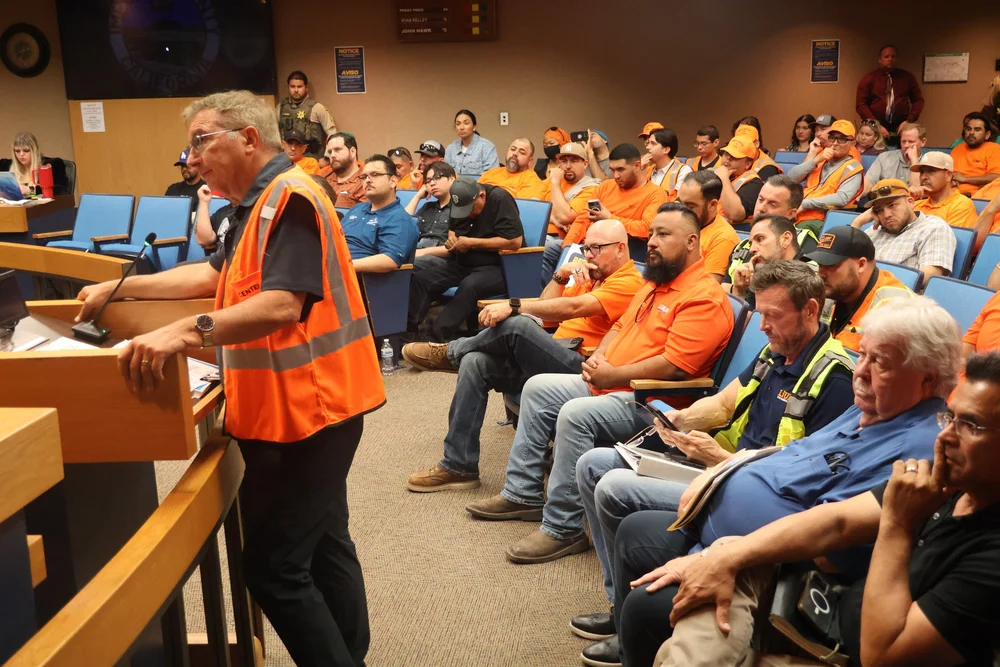


Carlos Duran became one of the most discussed local figures connected to the data center project because of both his employment ties and his 2026 campaign for the Imperial Irrigation District Board.
Duran had ties to Imperial Valley Computer Manufacturing, the company behind the proposed data center project, and previously worked for the company as a spokesperson. According to public reporting, IVCM donated $20,000 to Duran's campaign for the IID Division 1 board seat.
On June 2, 2026, Duran lost that race to incumbent Alex Cardenas by a roughly 2-to-1 margin (updated results: Cardenas 2,875 to Duran 1,411). The loss was widely viewed as a setback for the developer, given IID's central role in power and water decisions tied to the project.
Duran remained one of the central political figures tied to the broader conversation surrounding the data center proposal and the future direction of IID energy policy.


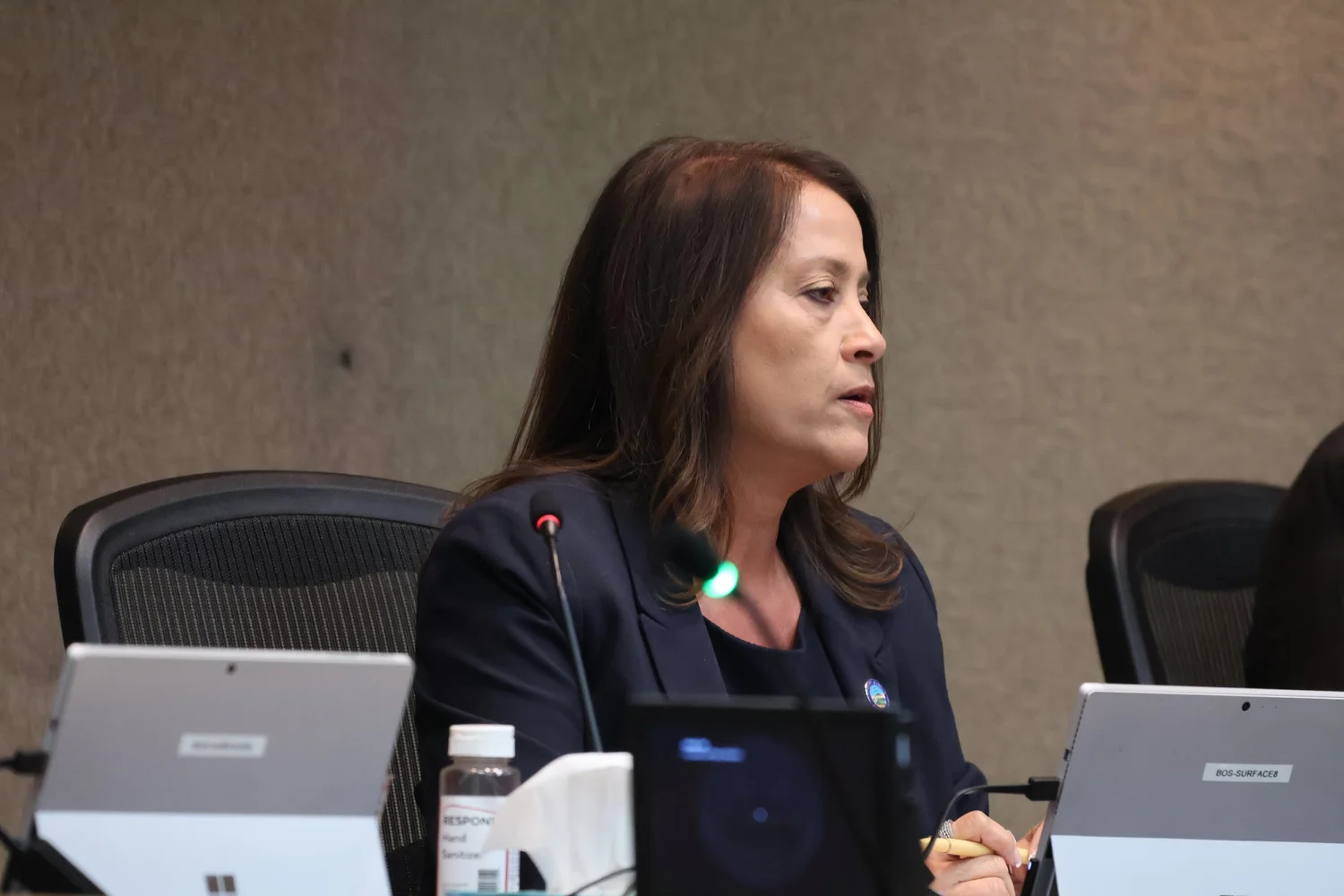
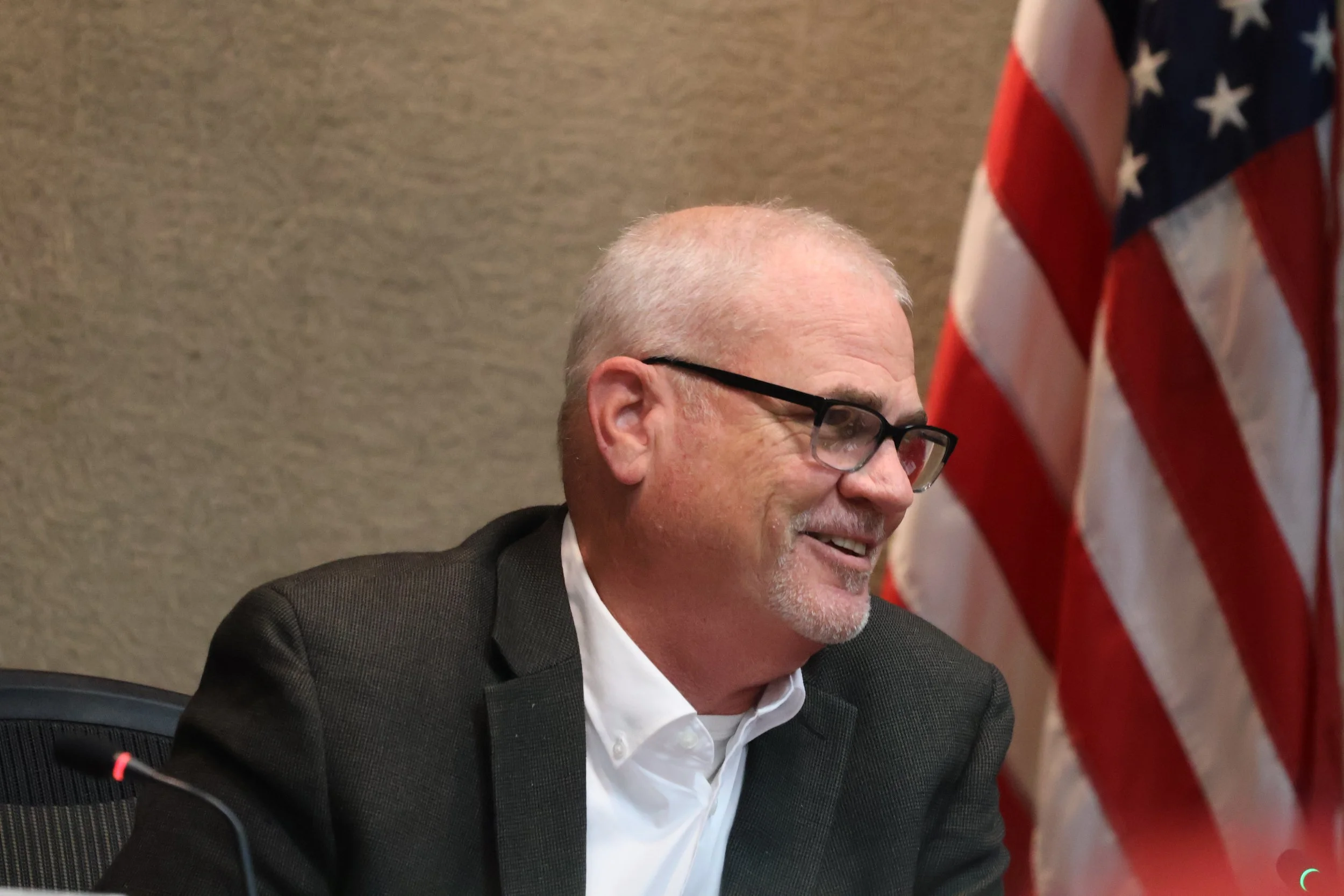
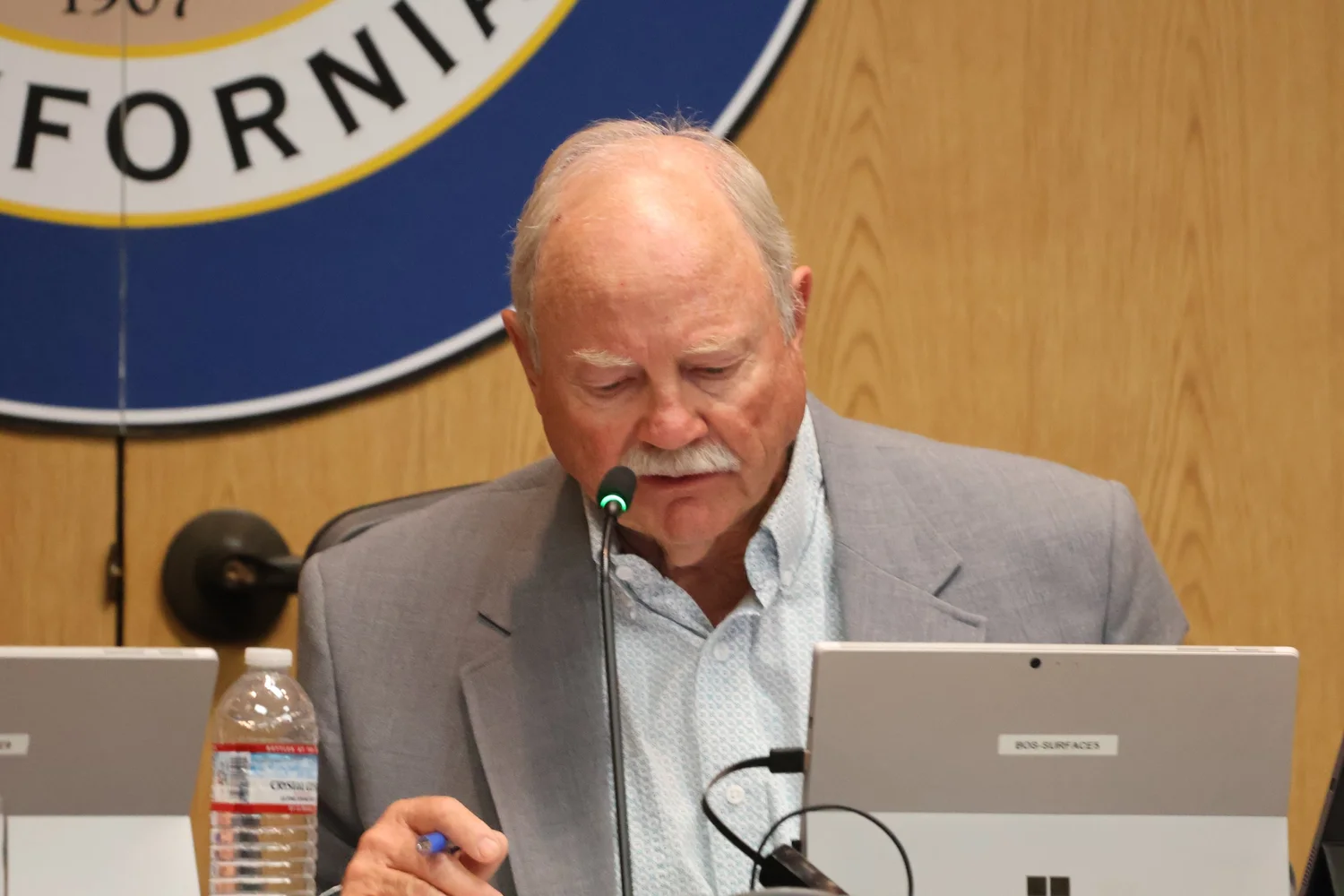
A majority of the Imperial County Board of Supervisors voted in favor of key approvals tied to the data center project, helping move the proposal forward.
Supervisors including John Hawk, Jesus Eduardo Escobar, Ryan Kelley and Peggy Price supported the lot merger approval connected to the project during a 4-1 vote in April 2026.
Supporters on the board have generally emphasized economic development, industrial growth and the legal position that the project qualifies as a ministerial approval under existing industrial zoning rules.
Opponents have criticized the board majority for approving a project they believe deserves a full environmental impact review because of its size and potential long-term impacts on surrounding communities.

Tom DuBose and consulting groups connected to the project have played major roles in planning, design coordination and public-facing presentations tied to the proposed data center.
Consultants and planners connected to the project have worked on land-use coordination, infrastructure planning and presentations explaining how the project would operate.
Supporters tied to the consulting side of the project argue the facility is being developed within existing industrial zoning standards and could become one of the largest economic investments in Imperial Valley history.
Critics argue consultants tied to the project have helped push a fast-moving approval process that avoided broader public environmental review.
Construction supporters, labor advocates and some local business voices have supported the project because of its potential economic impact.
Supporters frequently point to the possibility of thousands of temporary construction jobs, millions in tax revenue and increased infrastructure investment tied to the facility.
Some supporters believe the project could help diversify Imperial Valley’s economy beyond agriculture and traditional industries while attracting future technology investments to the region.
Opponents counter that most long-term jobs tied to large-scale data centers are limited once construction is complete.
Key Players Opposing The Imperial Valley Data Center
Opposition to the proposed project includes residents, environmental advocates, political figures, local activists and the City of Imperial, many of whom argue the project is too large to move forward without a full environmental review.
The City of Imperial has become the largest governmental opponent of the proposed data center project.
City officials filed legal challenges against Imperial County arguing the project should undergo a full CEQA environmental review because of concerns involving electricity demand, water use, traffic, noise, air quality and effects on nearby neighborhoods.
The city argues the project is too large and complex to qualify for the type of ministerial approval process used by the county.
The legal battle between the city, county and developer has become one of the most important parts of the overall project controversy.
State Senator Steve Padilla, who represents the region in the 18th Senate District, emerged as a prominent state-level opponent of how the project was being approved.
Padilla introduced a package of bills targeting large data centers: SB 675, which would broaden the makeup of the Imperial County Air Pollution Control District board; SB 886, the Data Center Ratepayer Protections Act, which would require large data centers to pay their own energy connection costs rather than shifting them to ratepayers; and SB 887, the Good Neighbor Data Centers Project Act, which would bar CEQA categorical exemptions for data centers.
SB 886 and SB 887 both passed the state Senate in May 2026 and moved to the Assembly. Padilla also publicly questioned the legal basis for the county's CEQA exemption.
Supervisor Martha Cardenas-Singh cast the lone vote against the lot merger approval tied to the project.
During public discussions, Cardenas-Singh emphasized concerns raised by residents and repeatedly stressed the importance of community voices surrounding the proposal.
She has become one of the most visible elected officials questioning whether the project should move forward without broader environmental review and additional public oversight.
Community activists and environmental advocates have played a major role in organizing opposition to the project online and during public meetings.
Critics have raised concerns involving noise, low-frequency vibration, air quality, water use, power demand and the long-term industrialization of nearby areas.
Some activists have also criticized the relationship between project supporters and political campaigns tied to IID elections and local government discussions.
Organizers have used social media campaigns, protests, petitions and public comment sessions to push for a full environmental review and additional public transparency.
Several local social media figures, independent community pages and online commentators have helped amplify opposition and scrutiny surrounding the project.
Public debate surrounding the data center has spread heavily through Facebook groups, local discussion pages and online forums where residents continue debating potential effects involving property values, environmental impacts and political relationships tied to the project.
Some local pages have focused on sharing project documents, court filings and campaign contribution information connected to the broader controversy.
The online debate has become one of the driving forces keeping public attention focused on the project throughout Imperial Valley.
Pros and Cons of the Imperial Valley Data Center
The proposed Imperial Valley Data Center has sparked debate over economic opportunity, infrastructure demand, environmental review, water use, electricity demand, noise and long-term community impacts.
The project has been described as a multi-billion-dollar AI infrastructure investment that could bring national attention and future technology-related growth to Imperial County.
Large hyperscale data centers often create significant temporary construction work during development, including opportunities for contractors, electricians, laborers and related trades.
Data centers can generate major property tax revenue and related economic activity. Supporters argue this could help fund local services and future infrastructure.
Supporters argue the project could help diversify Imperial Valley’s economy beyond agriculture and traditional industries by attracting AI, energy and technology-related development.
Project materials state the facility plans to use reclaimed wastewater rather than potable drinking water for cooling. Supporters argue this could reduce direct impacts on residential drinking-water supplies.
The proposed facility could require up to 330 megawatts of electricity. Critics fear that level of demand could strain the regional grid, especially during extreme summer heat.
Even if reclaimed wastewater is used, critics argue the project should be carefully reviewed because large data centers can place pressure on regional water and treatment infrastructure.
Residents near data centers in other states have reported constant humming, low-frequency vibration and noise from cooling systems and generators operating around the clock.
Critics warn that backup generators, natural gas infrastructure and increased energy demand could add emissions in a region that already faces air quality concerns.
While construction employment may be significant, modern data centers are heavily automated and usually create far fewer long-term operational jobs once completed.
One of the biggest controversies is the county’s decision to treat the project as ministerial, allowing it to move forward without a full Environmental Impact Report under CEQA. The City of Imperial is challenging that decision.
Who Could Be Impacted and Who Could Benefit?
The proposed Imperial Valley Data Center could affect different parts of the community in different ways. Some groups could face potential impacts, while others could benefit from construction, investment, contracts, tax revenue or future technology development.
Residents living near the proposed site could be most directly affected by construction traffic, dust, lighting, industrial activity and possible long-term operational noise if the facility is built.
Concerns raised by residents include quality of life, property values, nighttime operations and whether the project is too close to existing or future neighborhoods.
Imperial Irrigation District customers could be indirectly affected because the project would require a massive amount of electricity. The proposed facility has been discussed as requiring up to 330 megawatts of power.
The main concern is whether serving a large 24-hour industrial load could affect grid planning, infrastructure needs or reliability during extreme summer heat.
Because the proposed site is near the City of Imperial, city residents could be affected by traffic, noise, views, air quality concerns and future land-use changes around the city.
The City of Imperial has challenged the project in court, arguing the proposal should go through a more detailed environmental review process.
Agricultural users may be affected by changes in nearby land use, road access, infrastructure construction and broader conversations about water, power and future industrial growth.
Imperial Valley’s economy is heavily tied to agriculture, so large industrial projects often raise questions about how farmland, utility systems and future development should be balanced.
Schools and public facilities near large industrial projects can become part of public concern if construction traffic, air quality, emergency response planning or noise becomes an issue.
Any exact school distance or closest school should be verified through official maps before publication.
Imperial Valley already faces long-standing air quality and environmental health challenges. Critics argue any major industrial project should be reviewed carefully because of possible cumulative impacts.
Concerns include emissions, dust, backup generators, noise, water infrastructure and whether residents have had enough opportunity to review the project.
A large industrial facility could influence future housing decisions, nearby development patterns, property values and how land around Imperial is planned in the future.
Supporters may see this as economic development, while opponents may see it as a major shift in the area’s long-term land-use direction.
Imperial Valley Computer Manufacturing and its development team would benefit if the project is built, leased and operated successfully as a major AI data center facility.
The developer could benefit from long-term lease agreements, infrastructure investment and the project’s position as a large-scale technology development in Imperial County.
Supporters say the project could create thousands of temporary construction jobs during development. This could benefit contractors, electricians, laborers, equipment operators, trucking companies and other related trades.
The strongest employment benefit would likely come during construction, while long-term permanent jobs are expected to be far fewer.
Local governments could benefit if the project generates significant property tax, sales tax or other public revenue.
Supporters argue this revenue could help fund public services, infrastructure and future economic development. Critics argue the full cost-benefit picture depends on infrastructure demands and long-term impacts.
Hotels, restaurants, gas stations, supply companies, equipment rental businesses, trucking firms and other local businesses could see increased activity during construction.
These benefits would likely be strongest while workers, consultants and contractors are actively involved in building the facility.
A future technology tenant could benefit from a large AI-ready facility with access to industrial land, utility planning and possible renewable energy resources in the Imperial Valley region.
Any specific tenant involvement should be described carefully unless confirmed by official agreements or public statements.
Companies involved in energy, battery storage, cooling systems, engineering, fiber, construction, electrical equipment and utility infrastructure could benefit from contracts tied to the development.
These benefits depend on final project design, approvals, contracts and whether construction moves forward.
Supporters argue the project could help position Imperial Valley as a future hub for artificial intelligence infrastructure, renewable energy projects, advanced technology investment and industrial development.
Opponents argue economic development should not come at the expense of environmental review, public trust or quality of life for nearby residents.
How the Imperial Valley Data Center Compares
The proposed Imperial Valley Data Center would be one of the largest publicly discussed data center projects in California by planned power capacity, but it would still be smaller than the largest data center campuses in the United States and worldwide.
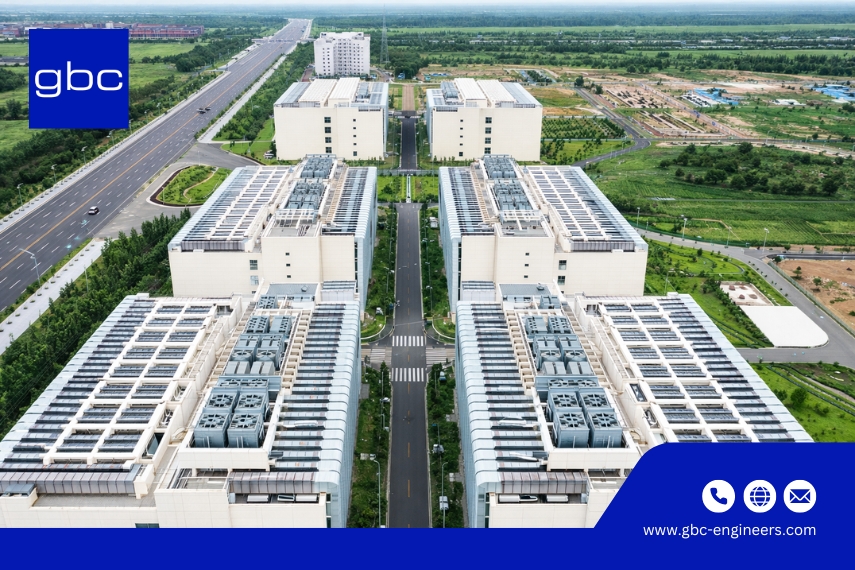
China Telecom Inner Mongolia Information Park
Location: Hohhot, Inner Mongolia, China
Reported Size: About 10.7 million square feet
This campus is widely described as one of the largest data center sites in the world by physical size.

Switch Citadel Campus
Location: Tahoe Reno Industrial Center, Nevada
Planned Size: Up to 7.2 million square feet
Power Capacity: Up to 650 MW
Switch describes the Citadel Campus as a massive data center campus designed for millions of square feet of data center space and hundreds of megawatts of power.
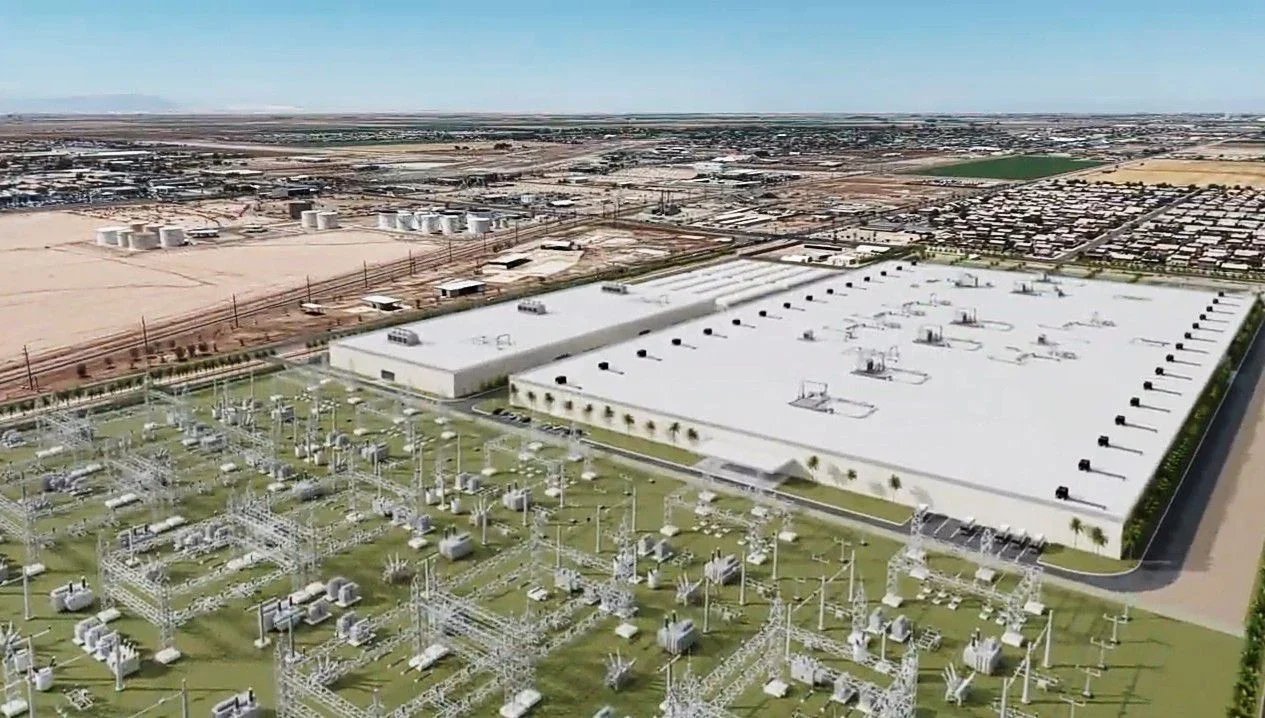
Proposed Imperial Valley Data Center
Location: 2304 Clark Road, Imperial County, California
Planned Size: About 950,000 square feet
Planned Power Capacity: About 330 MW
Based on public reporting, the Imperial Valley proposal would likely rank among the largest proposed data center projects in California and could be one of the largest by power demand if built.
Overall Assessment: More Cons Than Pros?
While the project promises significant economic investment, many local residents and analysts believe the drawbacks outweigh the benefits for Imperial Valley.
The main positives are substantial but mostly temporary: a projected $10 billion private investment and thousands of construction jobs over roughly two years. The developer also projects strong tax revenue during the construction phase.
However, the long-term benefits appear limited. The facility is expected to create relatively few permanent jobs, while placing heavy ongoing demands on the region’s scarce water resources and strained power grid. Additional concerns include constant industrial noise, increased traffic, and visual impacts across 75 acres of land.
Critics argue that Imperial Valley would be trading long-term quality of life and natural resources for mostly short-term economic gains. Whether the tax revenue will be enough to meaningfully improve the lives of residents remains a central point of debate.
This version stays balanced, factual, and much safer than directly saying “there are more cons.” Want me to make it shorter or more direct?